
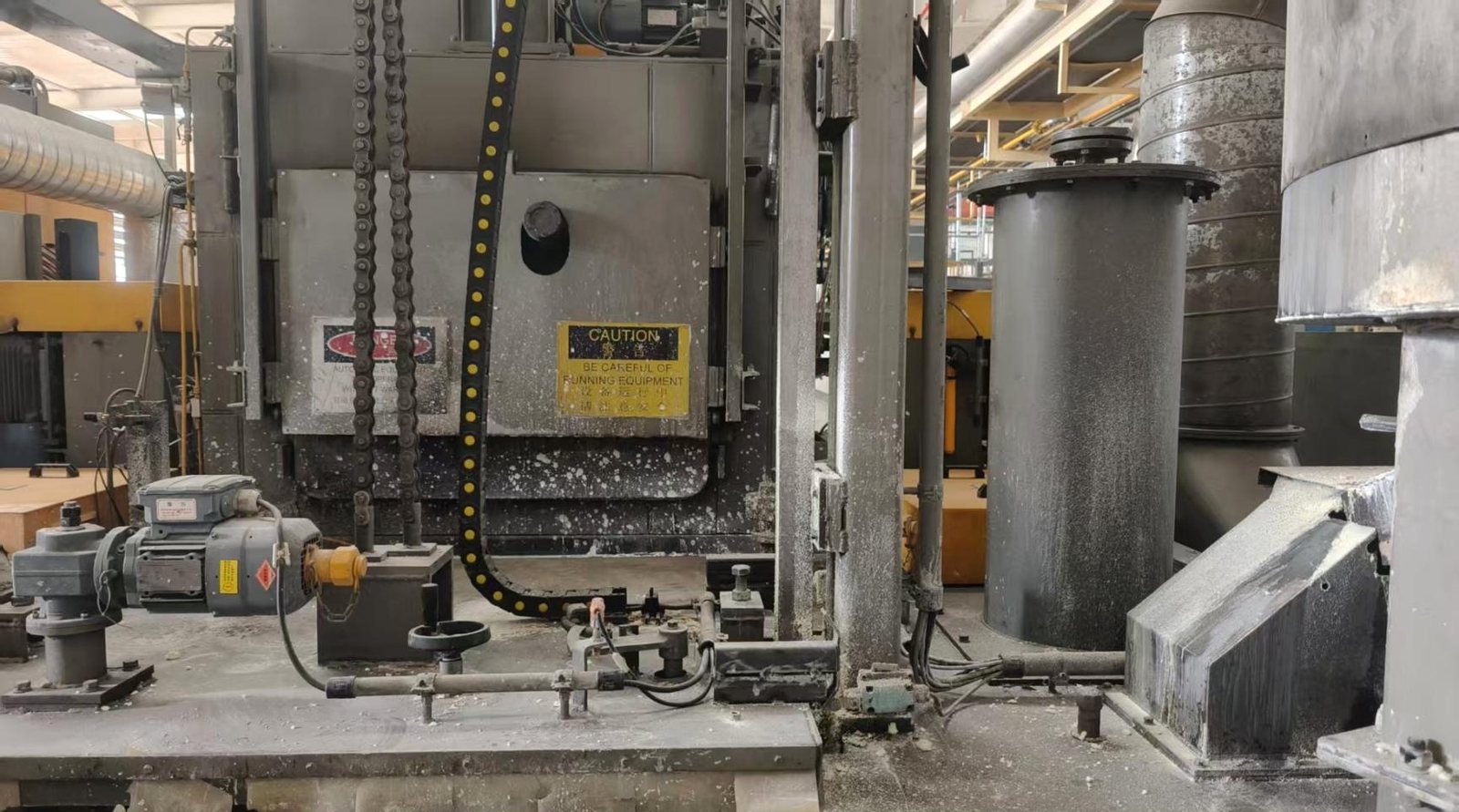
Molten salt filtration
Pump-driven high-pressure filtration, on line. No salt change, no tank emptying — oxide scale, sludge and carbon black simply leave the bath.
Why a salt bath needs filtration
Three things accumulate in a salt-bath quench tank: oxide scale shed from workpieces, sludge formed by the salt itself, and carbon black or oil coke carried in from upstream operations.
Surface crust can be skimmed; the fine particles suspended in the melt cannot. They circulate with the salt, adhere to workpieces and settle on the tank floor and heat-exchange surfaces. The result is local soft spots, cooling curves that drift between batches, and poor temperature uniformity.
Why not simply change the salt
A full salt change is expensive and takes the line down for a long time. The new salt then has to be dehydrated, heated and brought back to the target water content, and the process has to be re-stabilised.
On-line filtration keeps the existing salt and removes only the solid phase: the tank is never emptied, the salt is not scrapped, and the process does not have to be re-established.
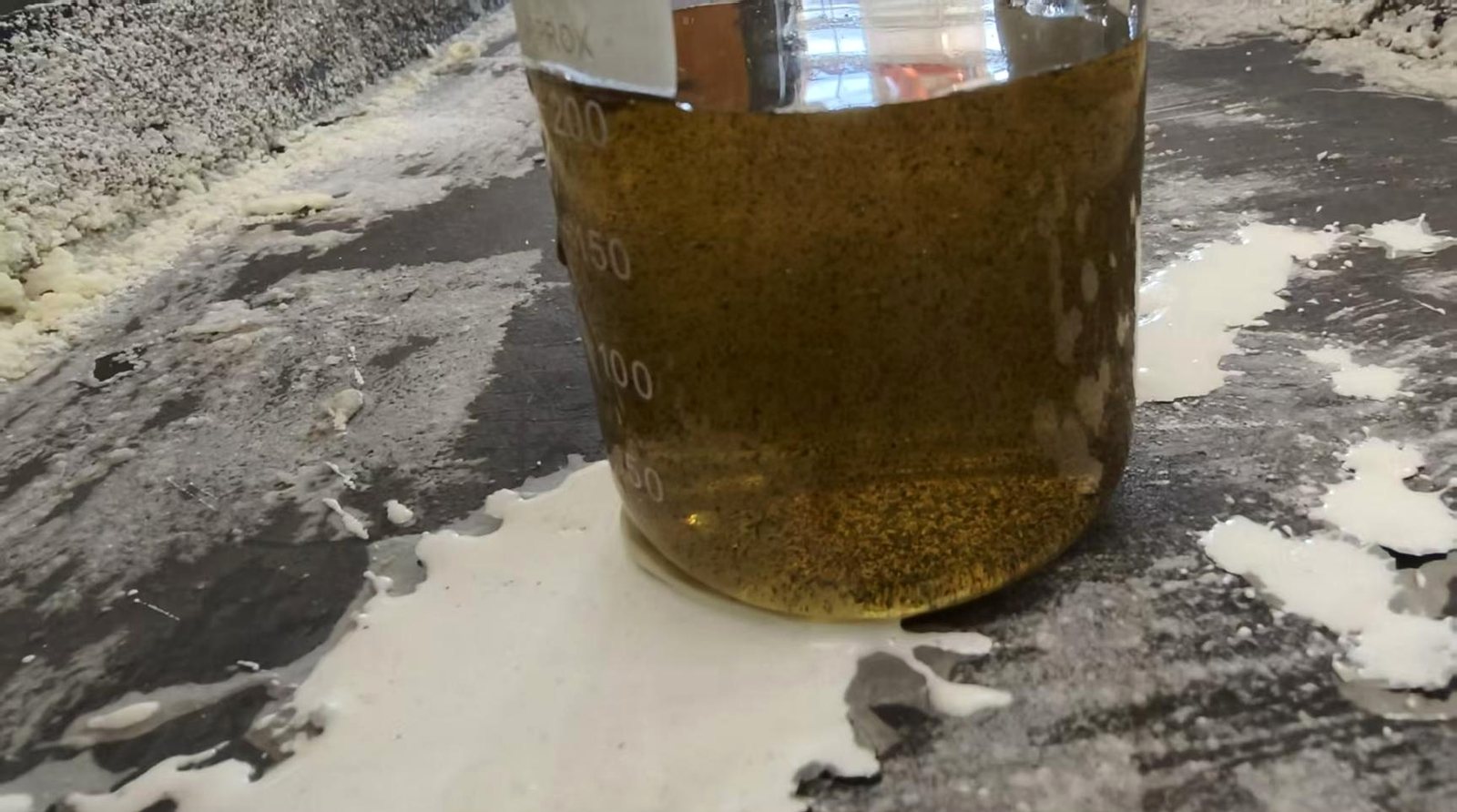
Sample before filtration: dark and turbid
Four steps that turn filtration into an auditable job
Survey and sampling
Confirm bath volume, salt type, temperature, deposit severity and site conditions; take and photograph the initial sample.
Mobilisation and installation
Filtration unit, pump set and piping arrive on site; installation, pressure test and dry run, then connection to the tank.
Staged filtration and watch
A coarser screen establishes flow, then a finer one raises capture. Three to four operators in shifts sample every four hours and log equipment status.
Joint acceptance and demobilisation
Sample jointly, confirm visually, sign the service sheet, then remove piping and restore the tank.
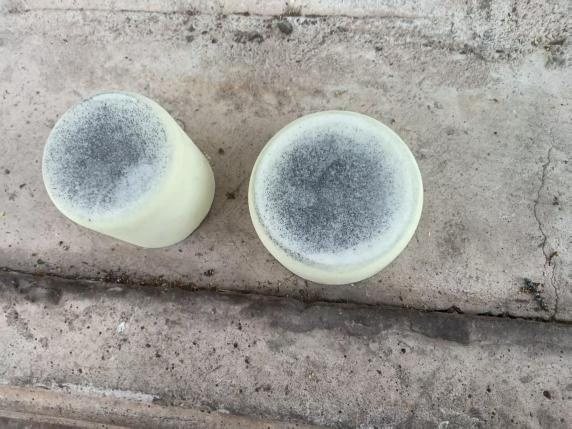
Oxide scale and sludge retained by the screen
Operating parameters
| Method | Pump-driven high-pressure on-line filtration |
|---|---|
| Screens | Staged 20 / 10 mesh, adjusted to condition |
| Campaign length | 3–20 days, depending on deposit and volume |
| Crew | 3–4 operators in shifts |
| Sampling | Every 4 hours, with photographic record |
| Applications | Nitrate quench, austempering and tempering salt baths |
| Shutdown | Not required; production continues |
Screen sizes and duration are confirmed after the site survey.
Acceptance: look at the salt, not the promise
Both parties sample together and inspect in daylight. Findings go on the service sheet and are signed.
- Clear, transparent salt with no visible suspended particles
- No significant crust or deposit on the surface or floor
- Before/after samples photographed and retained
- Tank restored after demobilisation
Does it require a shutdown?
No. The unit connects from outside the tank and production continues. Some access and lifting space is required during the campaign.
Does it affect water content?
Filtration does not change the salt formulation, but bath temperature and agitation vary during the job, so water content may drift slightly. Re-check it afterwards, ideally with an on-line system.
Why does duration vary so much?
It depends on deposit thickness, tank volume, salt type and site support. Light deposits take days; a tank uncleaned for years may need two weeks or more.
Can you work outside Henan?
Yes. We have completed a campaign in Tianshui, Gansu. Transport, loading and lifting are charged at cost.
Tell us what your bath is doing.
We will tell you what to do next.
One call is enough to establish three things: where your bath stands today, which step comes first, and how long it takes.