By scenario

The right combination depends on your bath

We do not sell a fixed package. We look at the bath, the parts and the takt, then combine filtration, purification and concentration control accordingly.

01

Bearing rollers and rings: uniformity first

Scenario
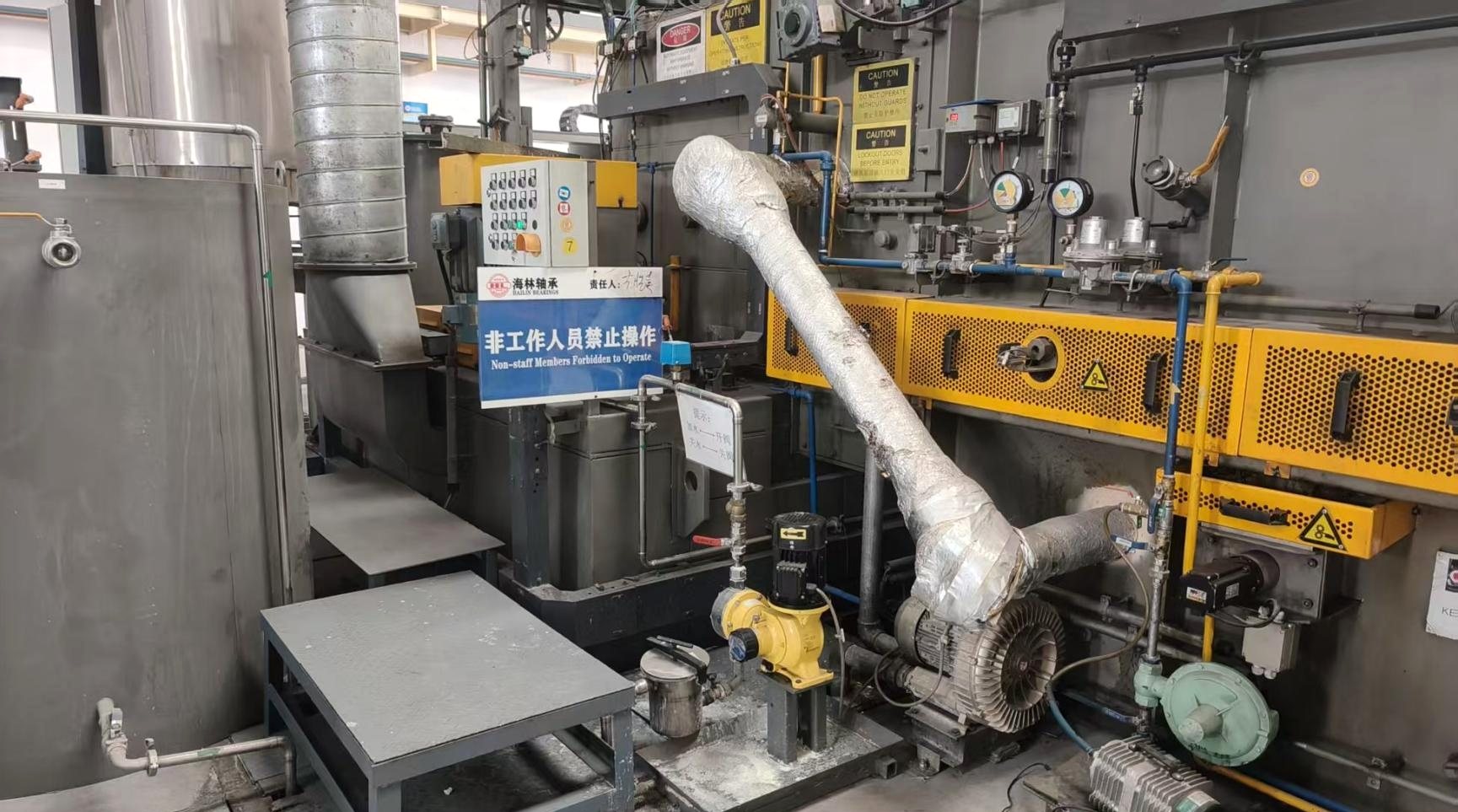
Nitrate and austempering quench for precision rollers and rings
Pain point
Salt cleanliness and water content drift together; hardness scatter, soft spots and distortion are hard to attribute.
Recommended
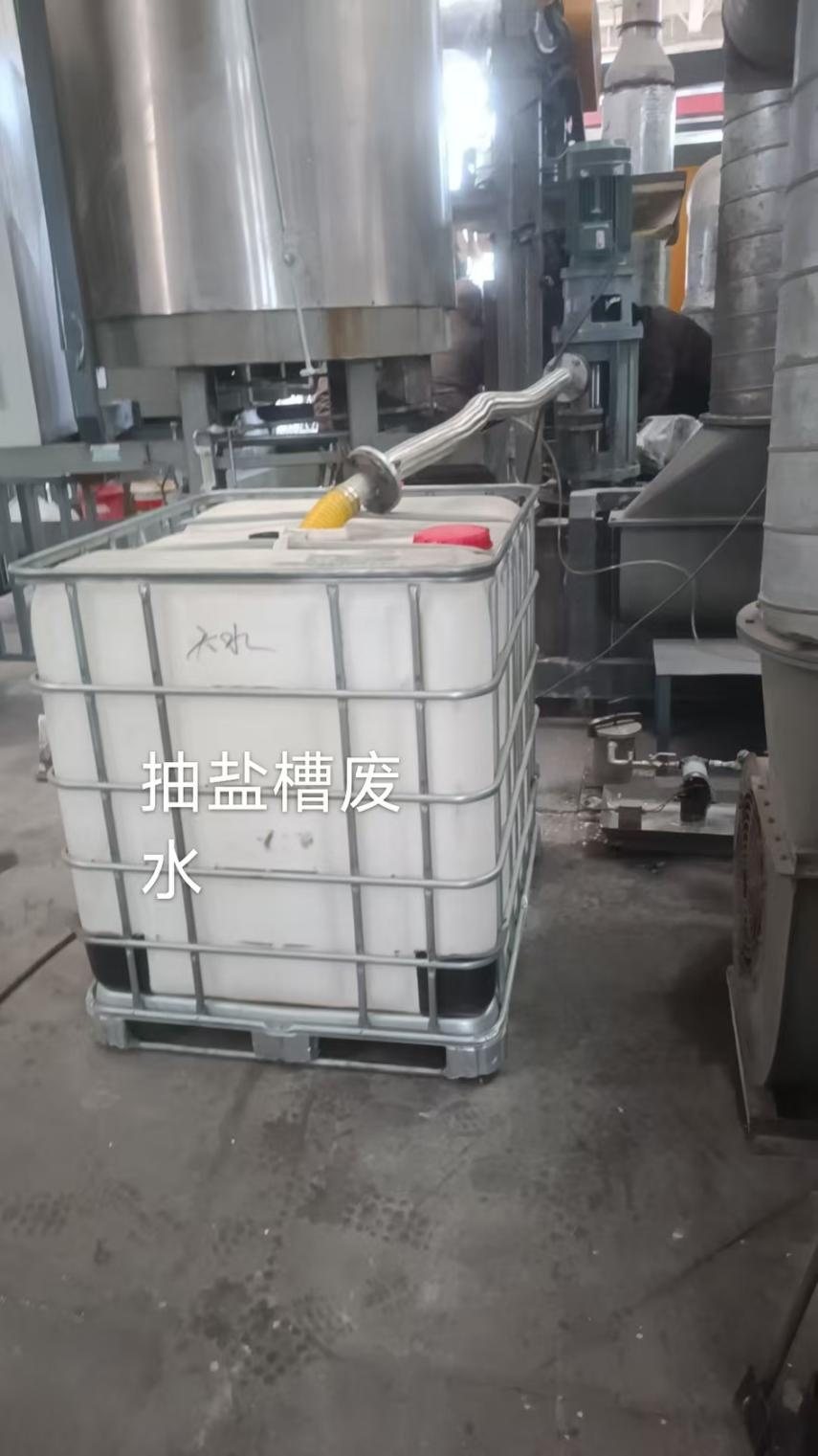
Molten salt filtration + on-line water content control

Typical project data: pass rate 99.5 %+, aligned with P0 / P6 / P4 requirements.
02

Automotive parts: batch stability first

Scenario
Batch quenching of bolts, pins and structural parts
Pain point
Frequent changeovers and varying loads make manual water addition a source of batch-to-batch variation.
Recommended
Multiple recipes + automatic make-up + trend recording

Typical project data: rework reduced by more than 80 %.

03

Continuous lines: managing long-run drift

Scenario
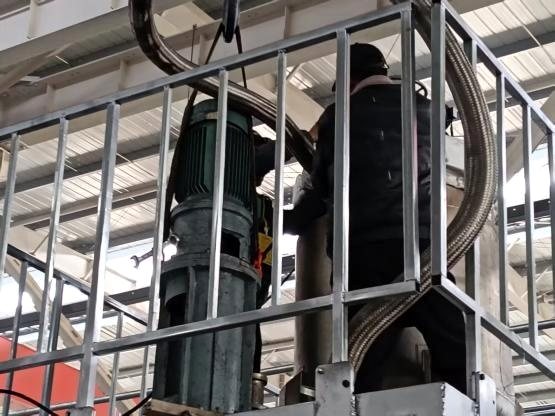
Mesh-belt and roller-hearth furnaces, large salt tanks
Pain point
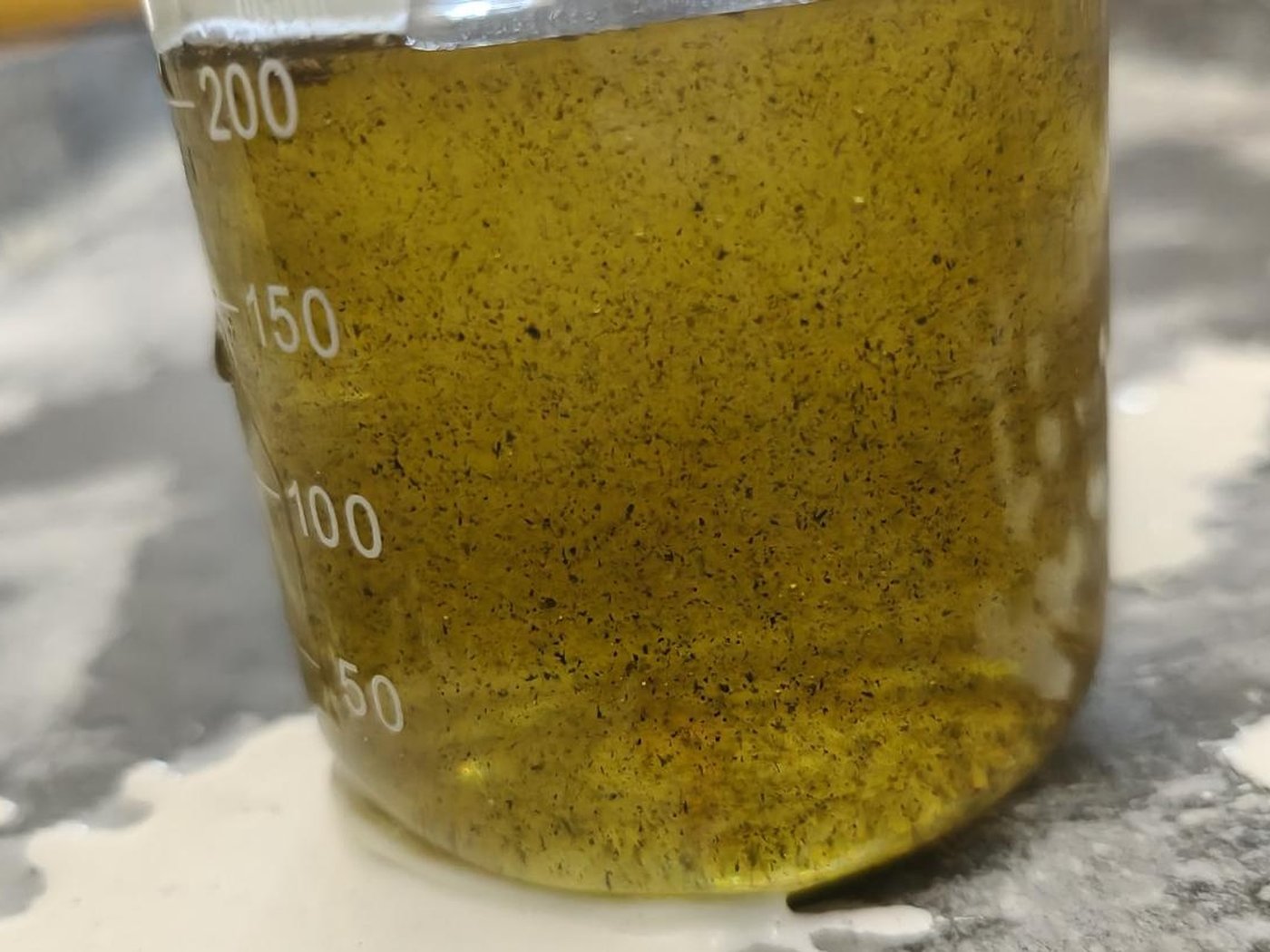
After months of running, stratification, uneven temperature and sludge build-up appear together and parameters drift slowly.
Recommended
Periodic filtration + on-line monitoring + alarm interlocks

We recommend quarterly filtration alongside continuous on-line monitoring.

04

Retrofit: measure first, without touching the tank

Scenario
Existing baths with make-up pumps but no measurement
Pain point
A full retrofit is costly and disruptive, yet without measurement the process cannot be described.
Recommended
Measurement and computing unit only, driving the existing actuator through standard signals

4–20 mA or relay output; the tank itself is unchanged.

Tell us what your bath is doing.
We will tell you what to do next.

One call is enough to establish three things: where your bath stands today, which step comes first, and how long it takes.